Open a first aid set from a construction ute, a family caravan, or a workplace boardroom, and you'll see the same style with hugely various execution: great objectives and mixed functionality. As fitness instructors, we examine sets regular throughout first aid courses and CPR training, and we see nearly every challenge. Ended antibacterial. No gloves in the leading tray. A loads small sticky strips, however not a solitary injury dressing big sufficient for a serious cut. A "CPR mask" that's simply a lightweight keyring guard, folded up and stayed with itself.
The ideal packages are straightforward, familiar, and refreshable. They're stocked for the atmosphere you function or reside in. They consist of not just products, but also structure: a clear layout, a method to replenish, and the confidence to utilize what's within. Below's what experienced First Aid Pro trainers suggest, together with the context that makes those referrals sensible in the field.
What a First Aid Package Is For
A first aid set purchases time and security between the minute something fails and the minute a greater level of treatment begins. It aims to quit hemorrhaging, protect an airway, maintain an individual cozy, minimize infection threat, alleviate discomfort, and offer quality in mayhem. It does not change professional treatment. Your skill matters as much as the equipment, which is why a first aid course or a CPR course matches package itself. In first aid and CPR courses, we educate individuals to look previous mess and choose the 1 or 2 products that will change the end result: an injury pad and bandage to regulate blood loss, a spacer for an asthma reliever, a properly used resuscitation mask throughout CPR.
The Core Four: What Professionals Actually Get To For
When you view trained responders, patterns arise. Throughout simulations in first aid training, these 4 groups account for a lot of real use.
Bleeding control belongs on top of the kit. Tool and huge clean and sterile wound dressings, crepe plasters, triangular plasters made use of as large pads, and natural bandage for secure pressure all job. Glue strips are for the afterthought cuts, not the emergencies.
Hand and scene security trips shotgun. Nitrile gloves, in greater than one size, ought to be reachable with one hand. Include a tiny container or sachets of hand sanitiser and a few plastic waste bags. In a pinch, even a resealable fridge freezer bag makes a secure disposal pouch.
Breathing support is tiny yet magnificent. A correct resuscitation mask with one‑way shutoff, not a paper-thin barrier, gains its place. A spacer for reliever inhalers deserves its quantity, since children and panicking grownups breathe in medication far better with a spacer. Some workplaces add a pocket oximeter, yet we treat it as great to have. If it sidetracks you from the basics, leave it out.
Protection and convenience secure the remainder. Thermal blankets protect against shuddering and the slide into shock after blood loss or exposure. Brackish ampoules clear grit from eyes and injuries. Non‑adherent dressings lower misery when you later on eliminate them. Paper tape that splits easily saves time when your hands are damp, gloved, and shaking.

The Anatomy of a Well‑Organised Kit
A package ought to open up level. A clamshell or roll layout that outlines sections helps you find gear without searching. Transparent pockets show supply degrees at a glimpse. Labels aid, yet just if they match your mental map. We educate a straightforward topography: hemorrhaging on the left, breathing in the center, burns and cleansing on the right, gloves and PPE in advance. If you can open the kit and lay a hand on handwear covers and a compression pad with your eyes shut, you're doing it right.

Weight and bulk matter if your package journeys. A difficult case secures components in trade vehicles and watercrafts. A soft pack rides much better in knapsacks and personnel spaces. Moisture kills adhesive and paper packaging, so if your setting is damp or damp, seal vital items in zip bags inside the main kit.
The package should tell you when it requires love. A simple laminated stock card, noted with a whiteboard pen throughout restock, prevents that guilty surprise during a genuine event. Nothing threatens self-confidence like a void where the CPR mask made use of to be.
The Fundamentals, Thing by Item
Gloves, nitrile, multiple pairs. Latex triggers problems for a minority of individuals and isn't worth the threat. Nitrile holds up to most oils and cleaners you find on worksites. Carry a mix of sizes. In training, we see rescuers tear little gloves at the cuffs, or avoid gloves because they can't find a size that fits. That's avoidable.
Resuscitation mask with one‑way shutoff. The rigid dome maintains a seal on grown-up and child faces. Keyring guards have their area, but in technique they glide about and twist throughout real CPR. If you do routine CPR training or hold a current first aid certificate, spend a few bucks more here.
Large sterile wound dressings, numerous dimensions. Look for the combined pad-and-bandage loads developed for high‑pressure wrapping. If your package just has little gauze squares, you'll lose time piling them.
Crepe and natural bandages. Crepe provides stretch and stress, cohesive clings to itself and resists slipping. Natural plaster beams over joints or in wet settings. Keep at the very least one vast roll for thighs and shoulders.
Triangular plasters. Not just slings, they end up being pressure pads, improvisated tourniquets, and head dressings. Cotton versions wash and reuse in prolonged events, while non‑woven types are portable and disposable.
Tourniquet, purpose‑built. If you deal with equipment, heavy building, or remote settings, this moves from optional to essential. A windlass tourniquet placed high and tight, tape-recorded with a time mark, saves lives. In typical city packages, it's still useful, particularly if hemorrhaging control training sustains it.
Sterile saline ampoules. Single‑use 15-- 30 mL vials fit eye flushes and injury waterings. Bottled saline jobs, but once opened it ends up being a contamination danger. Ampoules stay clear of that compromise.
Non adherent dressings. Brands differ, the principle does not. Utilize them over grazes and burns to prevent sticking. Pair with gauze for absorbency if needed.
Adhesive strips and island dressings. Supply a tiny range, yet don't allow them crowd out more crucial items. Water resistant styles assist in cooking areas and swimming pool environments.
Paper or hypoallergenic tape. You'll secure dressings faster with a tearable tape you can manipulate in handwear covers. Towel tapes hold better on perspiring skin, yet they injure on elimination. Carry both if space allows.
Antiseptic wipes and gel. Wipes are for the field. Bottles leakage, covers fracture, and gels last much longer and behave far better. Lots of trainers choose saline irrigation plus clean and sterile non‑adherent clothing for deeper wounds, with disinfectant scheduled for undamaged skin around the wound.
Burns dressings https://squareblogs.net/petherenue/why-every-office-demands-certified-cpr-and-first-aid-employee and hydrogel. For domestic or hospitality setups, hydrogel dressings and a tiny bottle of gel are handy, but water is still first‑line. Amazing running water for 20 minutes, after that outfit to safeguard. We see way too many sets stuffed with hydrogel yet no huge cling wrap or barrier to maintain the wound clean when cooled.
Thermal blanket. Aluminum foil coverings consider practically absolutely nothing and are priceless for shock prevention or direct exposure. Maintain one in the front pocket.
Instant cold packs. Single‑use packs tame swelling, however they're heavy wholesale packages. In institutions and sporting activities clubs, they earn their keep. In remote sets, they add weight, so prepare for improvisated cold if water or ice will certainly be available.
Shears and tweezers. Trauma shears reduced apparel and seat belts without sharp points. Tweezers eliminate splinters and stingers. Store shears visibly obtainable; you'll reach for them under pressure.
CPR timely card. Throughout a CPR correspondence course, we teach a few straightforward lines to constant the mind. A tiny card with compressions-to-ventilations ratios, hand placement, and defib prompts keeps you confident.
Notebook and pencil. When adrenaline runs, memory experiences. Keep in mind times, medications taken, observations. Pencils create on damp paper and don't fail if dropped.
Waste bags and biohazard bags. Colour matters much less than accessibility. An intense bag near the front advises you to regulate your scene and get rid of safely.
Face shield or mask for barrier security when taking care of coughs, throwing up, or nosebleeds. If you discovered first aid and CPR five years ago, this may not have actually been emphasised as much. It is now. PPE sustains you to maintain helping.
Hand sanitiser. Small, secure cap, alcohol‑based. Usage before and after glove usage when soap and water aren't available.
Medications: When to Include and Exactly How to Govern
Personal medication remains individual. Epinephrine auto‑injectors, bronchial asthma reducers, and prescribed cardiac sprays should travel with their proprietor and sit where they can order them, not hidden three zips deep. An area package in a school or office could consist of a spacer and salbutamol under a composed plan with team learnt its use. Regulations vary by area, so this is a plan inquiry as much as a professional one.
Over the‑counter pain alleviation divides viewpoint. Paracetamol and advil decrease distress and assist with sprains or oral discomfort, however they develop record‑keeping and permission concerns. If your office includes them, set clear regulations: check allergies, note dose and time, and maintain them in original labelled packaging. Antihistamines help with mild allergic reactions and scratchy attacks, but they do not deal with anaphylaxis. If your set contains antihistamines, train team to identify when they're appropriate and when they are hazardously insufficient.
A word on eye therapies beyond saline: declines that declare to "minimize inflammation" are aesthetic and not first aid. For chemical dashes, the most effective therapy continues to be constant watering with tidy water or saline while you arrange assistance. In first aid courses we replicate this with time hints so responders really feel for how long 15 mins actually is.
Burns Packages: Specialized but Simple
Cooled skin first, after that gown. That policy trumps everything. For a lot of kitchen areas and workshops, the excellent burns module consists of a timer or watch, hydrogel dressings for small burns when cooling is total, non‑adherent dressings for coverage, stick movie or clean plastic to produce an obstacle on large arm or leg burns, and a light crepe bandage to secure without stress. We discourage lotions or butter‑based products that trap warm or make complex later treatment. Hydrogel has a place after water air conditioning, especially for little uneven burns in uncomfortable spots.
AEDs and Your First Aid Kit
An automated outside defibrillator is not inside a standard set, yet both are functionally connected. If your website has an AED, pack extra grown-up pads in a temperature‑appropriate storage space and verify the battery expiration on your restock cycle. Throughout CPR training, we pierce the choreography: one person retrieves and uses the AED while one more starts compressions. Your CPR courses should include exercise with the specific AED model you go on website. If you rotate designs between sites, include a quick referral picture card to your kit.
Customising to Your Environment
No one package fits all. A household kit taking a trip with toddlers gains additional saline, non‑adherent dressings, instantaneous ice bags, and a generous roll of natural plaster that stays on wriggly limbs. A mountain bike package prioritises small trauma materials, irrigation, and sore prevention. Friendliness setups lean right into burns protection, blue metal‑detectable strips, and finger cots. Schools carry a swarm of sticky strips, handwear covers in youngster and adult dimensions, and spacers for asthma.
Workplaces with high‑risk machinery need more robust bleeding control. We typically recommend including a 2nd tourniquet, haemostatic gauze if team have actually been trained to apply it, and an additional set of heavy shears. Remote settings alter the calculus once again. If a rescue is 60 mins away, include even more of everything you expect to use in the first 20 minutes, because you will need to re‑dress and reassess. Battery‑powered headlamps come to be practical rather than optional when light fades before aid arrives.
Common Mistakes We See During Training
Too many tiny things that do not deal with huge problems. An overruning pocket of plasters looks comprehensive and hides the truth that there's no huge dressing for a significant laceration. Prioritise high‑impact gear first.
Expired liquids and adhesives. Antibacterial swabs and sticky tapes do age out. Brackish ampoules are marked plainly. Develop a quarterly or semiannual restock habit, connected to something you currently do, like fire drills or safety meetings.
No redundancy for must‑have products. One set of handwear covers is a mistake, not a plan. Maintain least 3 pairs near the front. Similarly, one large dressing is never ever enough.
The "secret module" trouble. Pre‑built kits often include unfamiliar products without instruction. If you don't identify an item, either train with it during a first aid course or eliminate it so it doesn't develop reluctance throughout an emergency.
Messy discussion after initial use. When a set gets abused during an occurrence, it typically remains that way. Appoint restock as a duty with a name and date. A neat set is a visible indication that someone will have your back.
Using the Kit Under Stress
In our training courses, we remove the lure to rummage. Activity beats excellence. For a heavy hemorrhage, you do not You can find out more require the specific "right" gauze, you need solid straight stress currently. For an asthma attack, you do not need to dispute inhaler brands, you need a reliever with a spacer and calm coaching. Trainers at First Aid Pro hang out on scripting language along with method. Short, clear instructions silent a chaotic scene. "I'm mosting likely to take a look. Take a breath with me. In and out. Right here's the spacer. Two puffs. 10 breaths."
If you're new to first aid and CPR, consider a CPR correspondence course every 12 months and a full first aid and CPR course on a typical renewal cycle dictated by your market or regulatory authority. Skills corrosion, and under pressure we fall to the degree of training, not increase to the level of intention.
Restocking Without the Hassle
Treat your set like a tool, not a prize. Maintain a simple log: day, things used, expirations inspected, items changed. Numerous offices set a standing monthly or quarterly order for consumables: handwear covers, dressings, saline, tape. Label the outside of the set with the following evaluation month so anybody can see it at a look. If you're managing multiple sites or vehicles, standardise kit designs so personnel can without effort find products across locations.
When to Update, Replace, or Split a Kit
A swollen zip and stuffed pockets inform you a tale. If the set protrudes, it probably tries to serve way too many masters. Split it: a compact grab‑and‑go for life risks, a secondary bag for convenience products and minor wounds. If the case is broken, the components have actually been compromised by dust and moisture. Change the instance and audit the soft goods. Adhesive-backed things and paper‑wrapped dressings are initial to fall short in damp.
If your team completed a first aid course 2 or three years back and you have actually given that added brand-new dangers or transformed the job format, audit your package versus those modifications. New machinery, more outdoor work, or a much longer ordinary ambulance response time all argue for additional bleeding control and thermal management.
A Practical Mini‑Checklist for the Front Pocket
- Nitrile handwear covers, at least three sets in combined sizes One method valve resuscitation mask Large injury dressing and cohesive bandage Thermal blanket Saline ampoules
Use this as the quick‑grab layer. Every little thing else can rest one zip deeper. If you can put a hand on these five things with your eyes shut, you have a usable kit.
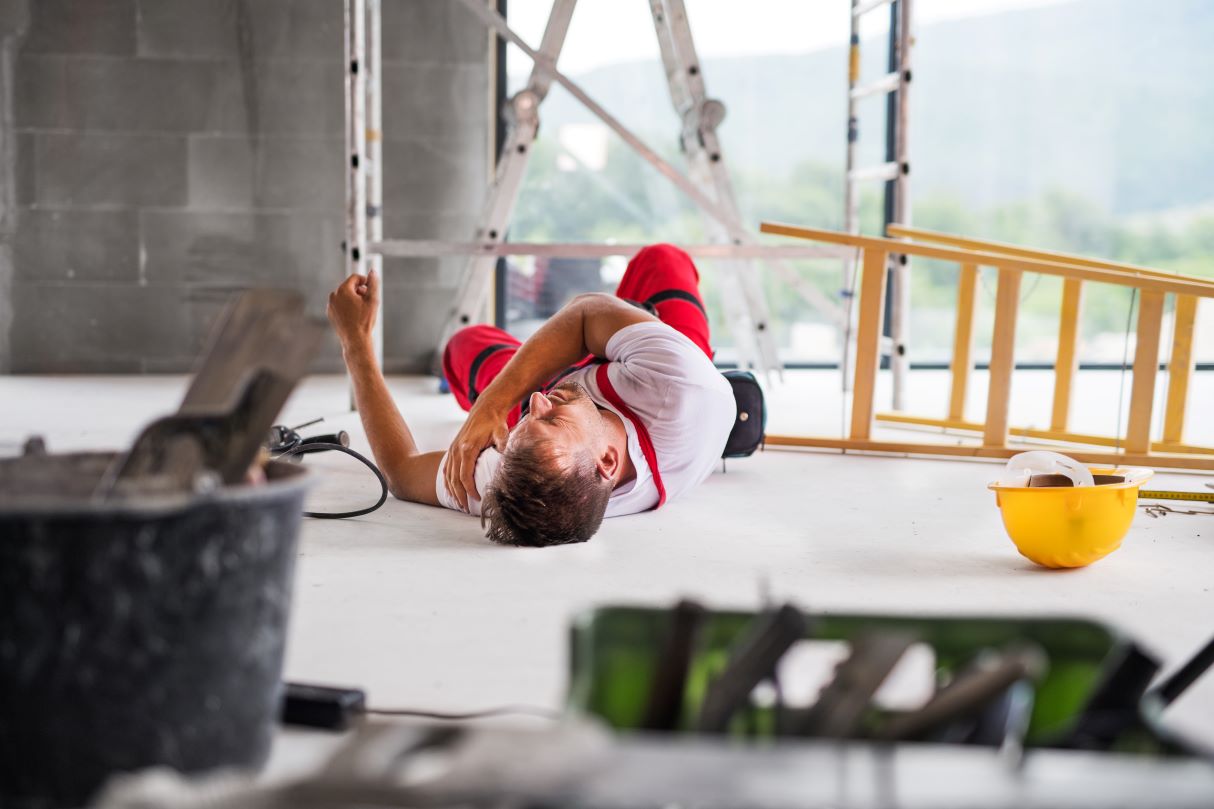
Training Brings the Package to Life
The most advanced set is dead weight without confidence and muscle mass memory. First aid courses construct that. We show not just what to utilize, yet when to quit using something and intensify. In a CPR course you find out the rhythm that makes compressions efficient, and you really feel in your arms the distinction between sluggish, superficial pushes and the company, quick compressions that drive blood. In an advanced first aid and CPR course, scenarios with moulage and reasonable time pressure force you to choose with limited gear. Those experiences form just how you supply, preserve, and get from your kit.
Certification matters because it maps to criteria and updates. Support develops. Ratios for CPR, finest technique for bleeding control, the role of tourniquets, and the specifics of asthma monitoring have actually all changed over the previous decade. An existing first aid certificate signals that your abilities and your set line up with today, not the past. For lots of experts, a CPR refresher course every twelve month maintains the crucial information fresh.
https://remingtonsumk590.yousher.com/first-aid-pro-what-sets-expert-first-aid-courses-apartFinal Ideas from the Training Floor
We as soon as assessed two adjoining workshops. Both had cool environment-friendly boxes installed to the wall. One box open up to stacks of the same tiny plasters and a dried‑out container of iodine. The other available to 3 sets of gloves on top, two large dressings, a natural bandage, a CPR mask, and an aluminum foil blanket in the front sleeve. During an online drill, the difference displayed in secs. The second team had pressure on a bleed and a phone call placed prior to the first string ended up spreading items on the floor.
That edge isn't concerning cash. It has to do with aim and follow‑through. Supply for the issues that kill or disable. Keep it basic and noticeable. Freshen it on a timetable. After that invest in the skills through first aid training so you can grab the right tool without assuming. Whether you're restoring your first aid certificate, going to a CPR training session with associates, or tipping up to a full first aid and CPR course, allow that learning shape what you lug. The appropriate package, in skilled hands, transforms panic right into purposeful care.