Pain is the most usual reason individuals seek treatment, yet it is often the least regularly handled. A certification course suffering monitoring can shut that gap, equating standards into dependable bedside method. The greatest programs combine scientific rigor with the real restrictions of rescues, wards, facilities, and rehabilitation health clubs. If you operate in intense treatment, medical care, paramedicine, nursing, physiotherapy, or allied wellness, constructing competence in both analysis and treatment changes end results rapidly. I have seen it in my very own method: less readmissions, much shorter sizes of stay, and clients who ultimately sleep with the night.
This overview walks through what a thoughtful discomfort monitoring qualification appears like, exactly how to select a training course that fits your setting and range, and a useful course to be successful as soon as you register. Along the way, I'll touch on specialized alternatives like puaeme008 give pain administration for emergency situation -responders, pain management courses for nurses and physiotherapists, and brief training courses suffering administration that slot into hectic rosters.
Why pain management training deserves your time
Pain is not just a symptom, it is a driver of complications. Uncontrolled sharp pain increases catecholamines and can aggravate cardiac anemia, impede air flow, and slow-moving mobilization. Inadequately taken care of persistent discomfort usually spirals right into deconditioning, state of mind conditions, and polypharmacy. When clinicians finish a pain administration course that highlights evaluation accuracy, multimodal treatment, and interaction, the impact is quantifiable. On a surgical device where we carried out standardized pain analyses and day-to-day analgesic optimization, the average time to first mobilization dropped by about a third over one quarter. Individual complete satisfaction ratings rose, yet much more notably, post-op lung difficulties fell.

A certificate signals to your team that you can structure treatment with intent, not routine. It additionally aids in credentialing and advanced roles. Numerous companies currently acknowledge a discomfort management certification as proof of continuing proficiency, specifically for broadened technique registered nurses, professional nurse experts, and extended-scope physiotherapists.
What a solid certificate training course suffering administration covers
The best discomfort monitoring training programs prevent the catch of being a pharmacology lecture sewed to a collection of pain ranges. They build a functional structure you can apply on a disorderly shift, throughout a quiet ward round, or in a lengthy talk to an intricate patient. A total program normally consists of:
Foundations of discomfort physiology and the lived experience. Expect protection of nociceptive versus neuropathic pain, outer and main sensitization, and how anxiety, rest, and previous trauma improve discomfort processing. Excellent trainers attach concept to vignettes you'll actually identify, like the post-herpetic neuralgia person that boosts only after you resolve allodynia and sleep separately.
Assessment with nuance. Discomfort scores are the beginning point, not the location. You should practice functional goals, movement-based evaluation, and threat stratification for opioid-related harm. Pediatric, geriatric, and cognitively damaged evaluations have to be more than a sidebar.
Pharmacological approaches throughout setups. Short-acting versus long-acting opioids, opioid-sparing programs, neuropathic agents, ketamine for certain indications, and local anesthesia essentials. Look for material on secure deprescribing, renal and hepatic application, and pharmacogenomic considerations where relevant.
Nonpharmacological and rehabilitative strategies. Warmth, chilly, 10S, pacing, graded exposure, mindfulness, and sleep hygiene matter if they are provided with structure and follow-up. Physiotherapists should see rated motor images and desensitization techniques in action, not simply on slides.
Communication that changes results. Discomfort is a negotiation, framed by depend on. Programs should educate scripting that confirms pain while establishing practical targets, plus brief interventions for catastrophizing and kinesiophobia.
Safety, equity, and systems. Naloxone co-prescribing, PDMP use where applicable, handling opioid usage disorder without stigma, social safety and security, and accessibility obstacles for country and remote individuals. For health centers, consist of sharp pain service rise criteria and handover standards.
Documentation and metrics. If you can not measure your effect, you can not sustain it. Great training courses reveal you exactly how to build issue checklists linked to pain diagnoses, track feature, and use high quality signs that survive an audit.
Mapping the course to your role
You do not need every component at the exact same depth. Suit the program to your everyday decisions.
Nurses in intense treatment benefit from limited assessment, PRN optimization, risk-free titration methods, and nonpharmacological methods they can deliver at the bedside. Discomfort administration training for registered nurses ought to include step-by-step analgesia assistance, delirium and discomfort distinction, and acceleration algorithms lined up with the facility.
Physiotherapists require durably applied movement-based strategies. Pain administration training courses for physiotherapists need to drill rated exposure, tons progression, fear avoidance therapy, and ways to integrate analgesic timing with treatment sessions. In post-surgical rehabilitation, recognizing when to ask for a nerve block evaluation can save days.
Primary care clinicians and pharmacists require persistent discomfort structures. This includes taper strategies, sleep normalization, perioperative opioid administration, and interprofessional reference requirements for pain clinics, psychology, and interventional specialties.
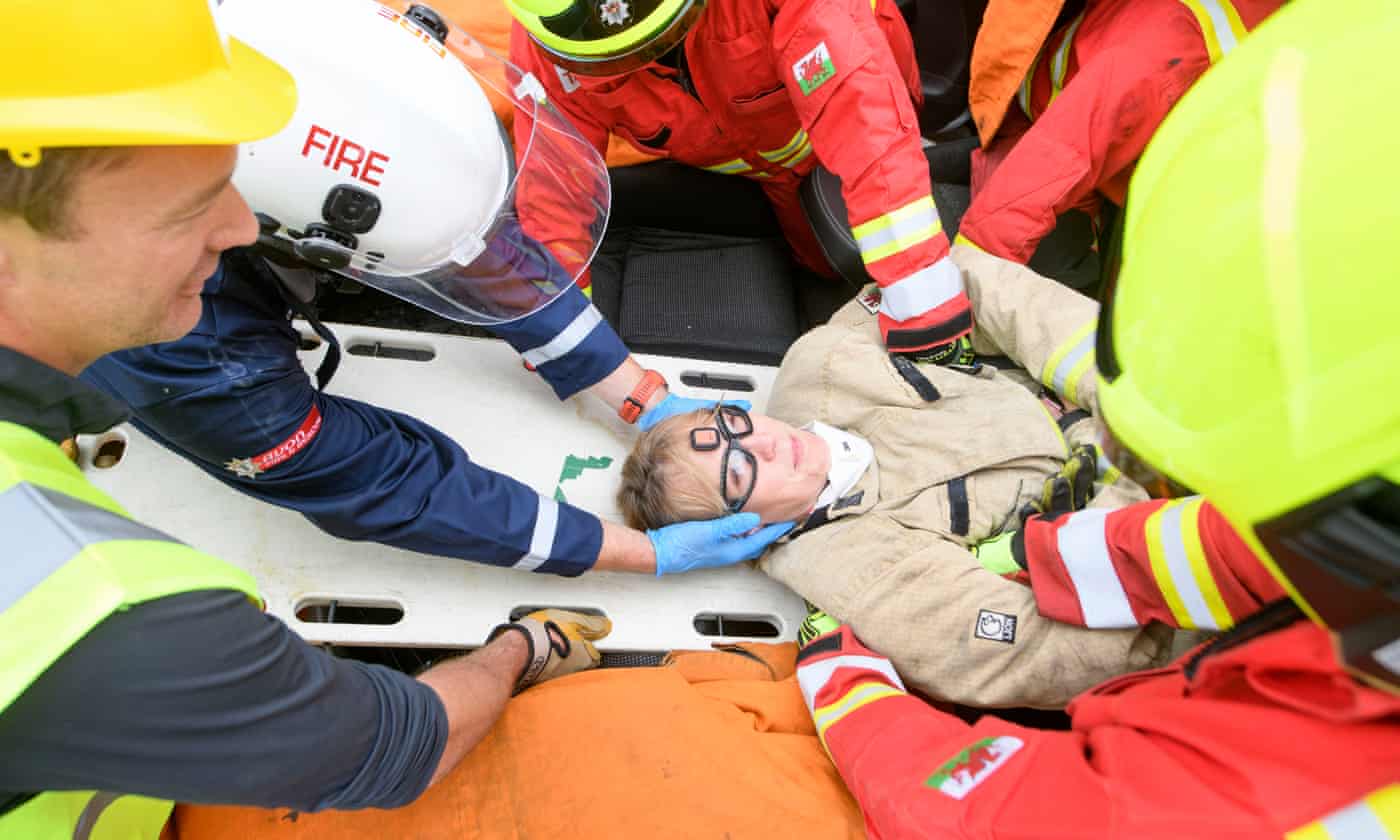
Paramedics and very first -responders work under time stress. Units like puaeme008 supply pain administration, often referred to as puaeme008 supply pain management within professional training packages, focus on instant evaluation, risk-free administration of anesthetics in the field, nonpharmacological approaches during extrication, and handover that maintains analgesic energy. If you operate in this atmosphere, pick a program lined up with your territory's formulary and clinical method guidelines.
Anatomy of a sensible understanding pathway
A certification program hurting administration normally runs in blended style. Expect self-paced knowing modules incorporated with workshops or simulated instances. Programs range from short courses in pain management that take 6 to 12 hours, to more extensive discomfort administration qualification training courses that run 40 to 80 hours with assessments and case logs.
I encourage candidates to structure their research study around three arcs: analysis proficiency, treatment fluency, and interaction under restriction. The web content could look similar throughout programs, but sequencing matters. Method evaluation manuscripts with colleagues early, not after pharmacology. Learn to ask, after that to act, after that to review.
Clinical direct exposure, also if substitute, does the hefty training. I have actually seen students boost most after they present 2 or 3 longitudinal instances. One was a 58-year-old with stopped working back surgical procedure disorder, balancing 4 hours of sleep and strolling less than a block. After establishing a two-week useful target, coordinating a neuropathic agent titration, and readjusting treatment timing, his six-minute stroll improved by 60 meters and he cut evening awakenings in half. The numbers were straightforward, the plan was methodical, and the adjustment stuck.
Emergency discomfort administration deserves its own lane
Acute pain in the area and in emergency situation divisions has different threats and opportunities. You commonly do not understand the standard opioid exposure, comorbidities, or history of substance use, yet delays compound suffering and difficulties. A concentrated emergency situation discomfort administration module emphasizes:
Rapid differential diagnosis of discomfort types on thin details. That includes differentiating time-critical problems where analgesia have to not wait, yet the choice of representative and route matters to avoid covering up peritoneal signs or neurologic deficits.
Analgesic pharmacology tailored to prehospital and ED protocols. Inhaled analgesia, intranasal choices, IV titration with safety checks, and pediatric application that is easy to calculate promptly. Ketamine needs clear indicators and contraindications.
Nonpharmacological methods that get time and boost end results. Splinting done properly, cold application, placing for dyspnea and pleuritic discomfort, and coaching breathing for serious anxiety and panic where discomfort intensifies distress.
Handover discipline. If you supply substantial analgesia in the field, handover must include timing, result, and threat flags to prevent rebound discomfort or double dosing. Programs developed around puaeme008 offer pain administration highlight this handover stringently.
I have viewed brand-new paramedics, as soon as trained and overseen with a dozen phone calls, slash time-to-analgesia by fifty percent without a single safety case. The difference was confidence anchored to protocol, not bravado.
Choosing amongst pain management training courses without obtaining lost
Marketing language looks comparable across carriers. Sort programs by who created them, how they examine you, and whether the material straightens with your scope of technique. Reputation appears in little information, like application changes for renal problems or study that consist of authorization for nerve blocks.
You additionally wish to see a plan for recurring competence. Some programs offer a discomfort monitoring certification program with a single evaluation, after that recommend annual refresher courses. Others build in reflective practice and instance audits. If you plan to preserve a pain monitoring accreditation that reinforces your return to, select the latter. It will make your portfolio more powerful and your practice safer.
Costs differ widely. Short training courses may be affordable and focused, an excellent suitable for new grads or teams trying to level up a single skill like neuropathic discomfort. Comprehensive pain administration training courses often validate greater charges with faculty accessibility, monitored technique, and identified accreditation. Validate what you obtain: downloadable devices, exam attempts, proctored OSCEs, and assistance for work environment projects.
The detailed path to certification and impact
Here is a portable, functional series that has actually worked for many medical professionals I have actually mentored. It maintains energy high and concentrates on adjustments that stick.
- Clarify your extent and setting. Provide the 3 most typical discomfort circumstances you take care of weekly, and one high-risk scenario you fear. This forms your program choice and research plan. Pick a program that matches your jurisdiction and duty. If you remain in prehospital treatment, a program lined up with puaeme008 provide pain monitoring or your local equivalent conserves translation work. Nurses should look for pain monitoring training for registered nurses with facility-specific escalation pathways. Physio therapists must ensure there is significant material on graded exposure, pacing, and pain education. Front-load evaluation skills. In the initial 2 weeks, manuscript your history-taking, practical goals, and risk stratification. Practice on 2 individuals and one associate. Record times and outcomes. Implement one modification weekly. Week one, change PRN timing and nonpharmacological assistances. Week two, introduce or maximize a neuropathic representative if indicated. Week 3, customize therapy sessions around analgesic tops. Constantly track function. Build a small dashboard. Track numerical pain ratings only as context. Focus on function: range walked, rest hours, time to set in motion, or go back to function actions. Testimonial weekly and show to your expert or team.
This is the initial of the two lists in this write-up, purposefully brief. Each item unlocks the following, and the final dashboard both confirms proficiency and convinces doubtful colleagues.
Integrating pain monitoring into group workflows
A certification adjustments your practice, but the larger win is group uniformity. Pain monitoring programs that require a task element commonly ask you to execute a little process improvement. The most effective candidates pick something visible and relatively easy to fix, like an everyday analgesia optimization huddle on a post-op ward, or a pre-physio analgesic timing method in rehab. Success depends on:
Leadership that values small success. Start with a two-week pilot, after that increase. If your pilot shortens the morning mobilization window by 15 minutes throughout four patients, your system has hours of effectiveness obtained weekly.
Clear possession. One person updates the discomfort board, an additional triggers escalation if targets are missed for two days, and a third audits managed substance settlement. When no person possesses pain, pain possesses the shift.
Data that informs a human tale. A graph revealing sleep hours and night-time pain together with quotes from the person is convincing. I have actually never seen a cosmetic surgeon overlook rest recovered after 2 nights of targeted adjustment.
Workflows need to likewise identify side situations. People with persistent opioid therapy demand separate protocols. Those with unmanaged PTSD or high levels of catastrophizing demand very early psychology reference. Not every unit has these services internal, so a well-constructed discomfort monitoring qualification program must assist you develop recommendation paths and scripts for limited resources.
The pharmacology you will actually use
A solid program equilibriums information with utility. You need to leave able to do the adhering to without grabbing a reference every single time:
Dose non-opioids proactively. Paracetamol and NSAIDs still lug the opioid-sparing lots, yet only if you use appropriate routines and account for renal, hepatic, and bleeding risks. Many new grads underdose out of caution that is unneeded with appropriate screens.
Recognize when to pick an opioid, which one, and exactly how to taper. Oxycodone, morphine, hydromorphone, and fentanyl each have niche benefits depending on body organ function and route availability. Avoid combining long-acting and short-acting opioids without a clear strategy. Anchor treatment to practical goals and daily review.
Introduce neuropathic agents with timelines that match fact. Gabapentinoids and SNRIs require days to weeks to reveal effect. Training courses should highlight titration timetables, loss and sedation risks in older adults, and techniques for discontinuation when they fail to help.
Understand procedural and interventional options sufficient to refer suitably. Area blocks and local anesthetic can be transformative post-op, yet timing and client option issue. Physio therapists, particularly, gain from understanding when to request a block review to open very early mobilization.
Use ketamine deliberately. Sub-dissociative dosing can be reliable for sure acute pain circumstances, however requires clear protocols and tracking. Great training programs educate both potential advantages and the behavior negative effects that daunt people and team when unanticipated.
The goal is not universal recall, it is safe and decisive activity when your client is in front of you.
Communication and assumption setting
Pain management is 50 percent pharmacology, half discussion. You will certainly find out to claim things that move a client from a numeric target to a useful one. Instead of promising absolutely no discomfort, you might use steady gains: stroll to the mailbox, after that around the block, after that to the park. This reframing lowers distress and minimizes the chase for rising doses that dissatisfy everyone.
For households, scripts aid when pain persists despite best shots. Clarify the plan, negative effects to expect, and what renovation will certainly appear like day by day. In one medical ward, giving a one-page pain strategy that consisted of comfort actions households might help with cut phone call bell usage over night and improved state of mind on both sides of the bed.
Cultural security sits inside communication. Discomfort expression differs across societies and people. Training needs to instruct you to ask open concerns, avoid presumptions concerning stoicism or exaggeration, and engage interpreters early when language obstacles exist.

Assessment mistakes and exactly how good training courses show you to stay clear of them
I have actually seen 2 usual mistakes in clinicians before additional training. First, overreliance on a solitary numeric rating. Second, failure to reassess. A pain rating without context can misinform, especially in older adults with delirium or in clients that underreport to prevent being classified. The fix is simple and teachable: set the score with a practical objective and a focused exam, after that reassess at predictable intervals after a treatment. Many certification programs need you to submit two reassessment notes per situation, a routine that sticks.
Another mistake is the one-size-fits-all analgesic. If your default is a single opioid, you will certainly overuse it. Multimodal routines that respect kidney feature and step-by-step context are much safer and typically more effective. An organized pain administration course need to provide counterexamples that challenge reflexes and supply a much better algorithm.
Assessment, qualification, and maintaining competence
Pain management certification commonly consists of online quizzes, case-based brief responses, and, in the more powerful offerings, observed structured scientific exams. I found out most from OSCE stations that required me to negotiate objectives with a standardized person while clarifying risks of opioids and setting a clear plan for the next 48 hours. If your program offers optional OSCEs, take them.
After you gain a discomfort monitoring certification, prepare for refresher courses. Medicine formularies alter, and so do standards for opioid usage, naloxone circulation, and perioperative care. One of the most defensible approach is to complete a quick upgrade every puaeme008 provide pain management 12 to 24 months. If your practice consists of emergency care, search for modules aligned with upgraded professional practice guidelines comparable to those embedded in puaeme008 give discomfort management.
Keep a small profile: a log of tough instances, your audit results on function metrics, and representations on at least two situations where your strategy transformed mid-course. This is what turns a credential right into an expert asset.
Special tracks for registered nurses and physiotherapists
Pain monitoring training for nurses ought to focus on 3 layers: specific analysis, protocol-driven titration, and nonpharmacological supports nurses can provide right away. Programs that consist of simulation for hard discussions function well, especially for tapering requests or handling family expectations. Nurses commonly end up being the champions of everyday analgesia optimization, which is where the biggest gains hide.
Pain management training courses for physio therapists need to push past education into graded exposure that is measurable. I have seen specialists change a person's overview with a six-week strategy that balances tons and fear. Courses that require specialists to send pre and post useful metrics raise the criterion. When specialists and nurses align, overview of pain management course the early morning window, approximately one hour after analgesia, comes to be a trusted system for progress.
Short training courses versus detailed certification
Short programs suffering administration have their place. For groups needing a quick tune-up or to systematize a solitary practice change, a concentrated 6 to 8 hour program is warranted. Use them to improve pediatric application security, to present a new nonpharmacological toolkit, or to tackle neuropathic pain options.
A complete pain monitoring certification program is better if you prepare to be a go-to source or to lead top quality enhancement. These programs offer you breadth, supervised method, and an analysis that stands in efficiency reviews. In several systems, such a certification supports applications for advanced placements or portfolio pathways.
A small preparedness list before you enroll
- Define your outcome: promotion, role expansion, or better person circulation on your unit. Confirm placement: does the training course match your medications, procedures, and reference networks? Secure time: block safeguarded slots for research and 2 medical cases to use learning. Arrange mentorship: a mentor or senior medical professional that will certainly assess your cases. Plan your audit: choose one functional metric you will track for four weeks post-certification.
This 2nd and final list maintains you truthful. When clinicians complete these actions, they are even more most likely to carry out change instead of soak up material and drift back to old habits.
What success resembles 6 weeks after certification
Gauge success on the ground, not in the framework on your wall surface. On a medical flooring, watch for earlier mobilization, fewer nighttime require innovation pain, and shorter lengths of remain in uncomplicated cases. In medical care, try to find less early refill demands, more constant useful gains, and better rest reported at follow-up. In prehospital treatment, display time-to-analgesia, unfavorable events, and handover top quality notes.
I worked with a regional team that incorporated a certification course with a single operations modification: a day-to-day evaluation of patients whose rest was interfered with by pain. Evening nurses applied a standard nonpharmacological protocol and escalated targeted changes in the morning. Within a month, the unit cut wide-awake evenings associated with discomfort by about a quarter, and daytime therapy sessions ran closer to set up. None of this needed brand-new medications. It required a shared language and a plan.
Final ideas from the center floor
Pain will certainly always be a moving target, shaped by biology, psychology, and context. A pain administration certification gives you more arrows in the quiver and the judgment to select the best one under stress. If your path points to emergency pain administration, align your training with accredited devices like puaeme008 give pain management. If you bait a ward or in a facility, think about a detailed pain administration certification that includes quality enhancement and instance guidance. Nurses and physiotherapists will locate devoted training courses that sharpen the tools they make use of daily.
The real mark of success is not the certificate itself, but an individual that informs you they can ultimately clothe without help, walk their pet, or rest without concern of the night. That is what this training is for, and it is within reach when coursework converts right into consistent practice.